The Role of Dance in Emotional Wellness
As individuals navigate the complexities of life transitions, emotional wellness becomes a crucial focus. One engaging and effective approach to enhancing emotional health is through dance. This article explores how social dance, particularly styles like bachata and salsa, can support emotional well-being, backed by research and practical insights.
Understanding the Basics of Dance and Emotional Health
Dance is not merely an art form or a physical activity; it is a powerful medium for expression and connection. According to a study published in the Journal of Positive Psychology, engaging in dance can foster emotional resilience by providing an outlet for self-expression and a means to connect with others. Experts often highlight that dance can facilitate emotional release and offer a safe space for individuals to explore their feelings.
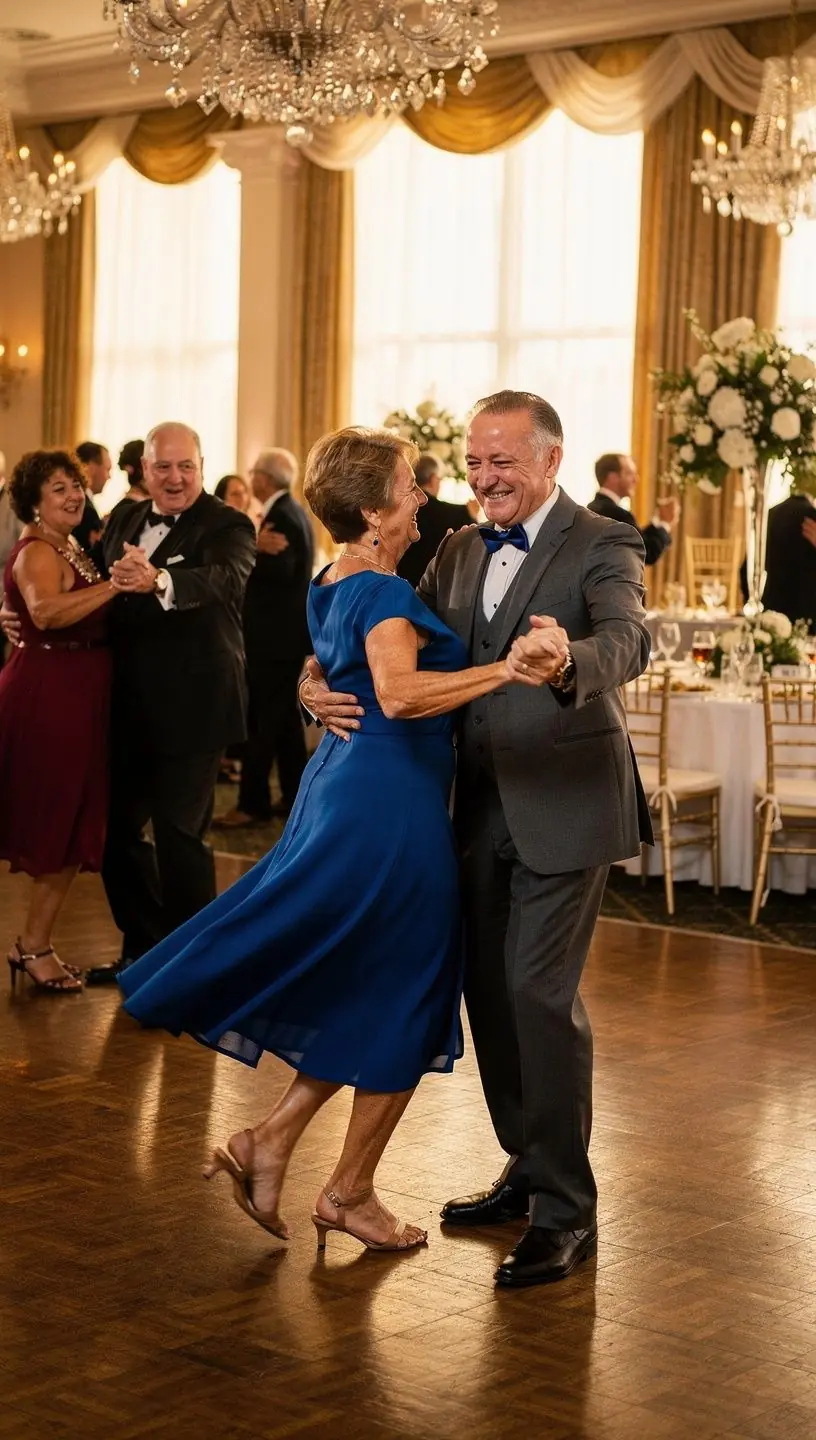
"Dance acts as a universal language, bridging emotional gaps and fostering connections among participants." – Research from the American Dance Therapy Association
The Emotional Benefits of Social Dance
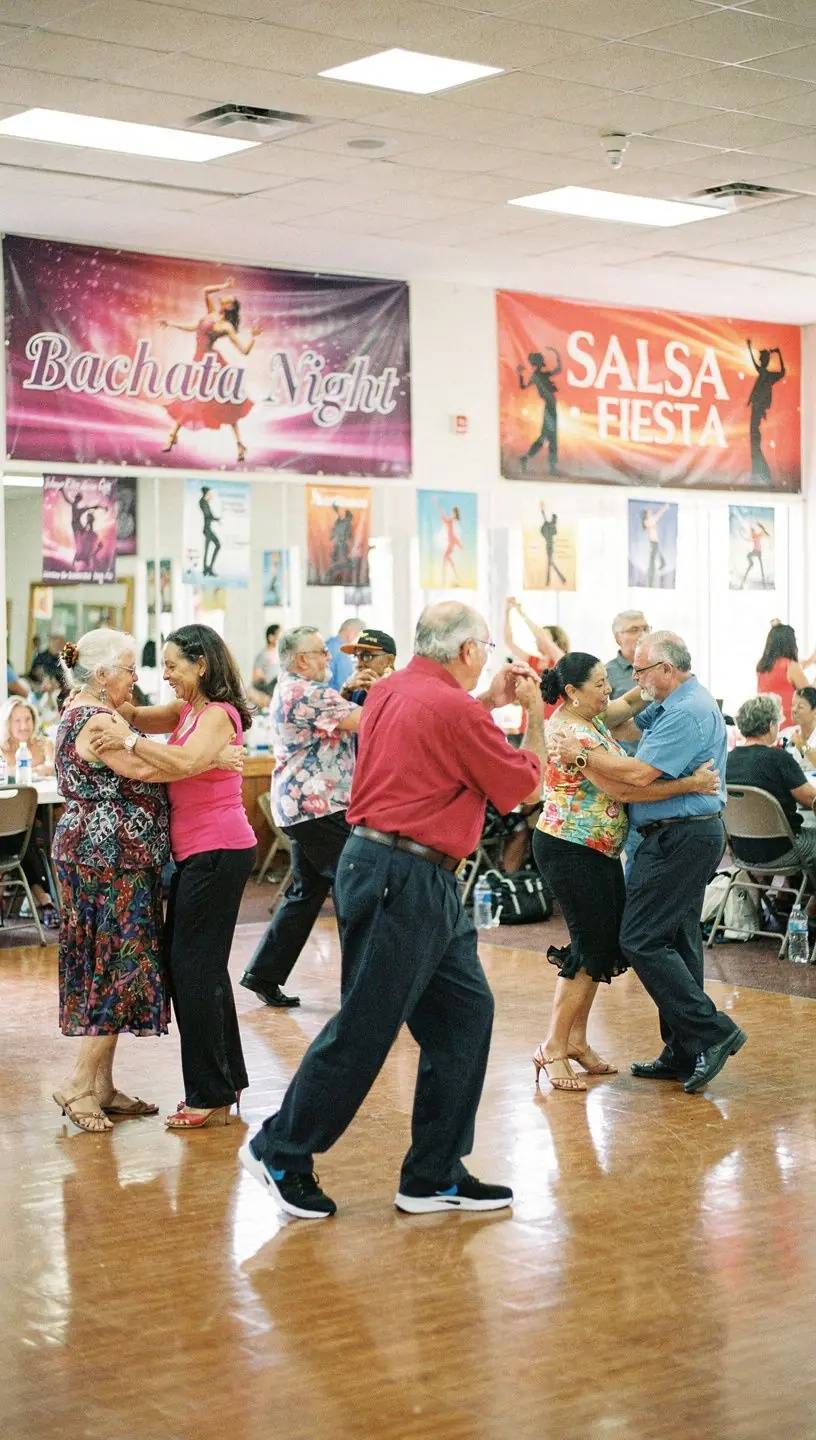
Social dance styles such as bachata and salsa are particularly beneficial for emotional wellness for several reasons:
- Connection and Community: Participating in social dance events creates opportunities to meet new people and build supportive relationships. Studies show that strong social connections can significantly improve mental health and reduce feelings of loneliness.
- Physical Activity and Mood Enhancement: Engaging in dance is a form of physical exercise, which has been proven to release endorphins. These chemicals in the brain can elevate mood and promote a sense of well-being, often leading to reduced anxiety and stress levels.
- Creative Expression: Dance allows individuals to express themselves creatively. This expression can lead to improved mental clarity, self-awareness, and emotional processing, as participants often report feeling lighter and more at ease after dancing.
How Dance Improves Emotional Wellness
The process of engaging in dance involves both physical and mental components. Learning new dance steps or styles typically requires a level of focus and dedication. This engagement works on the principle of mindfulness, where individuals become fully immersed in the activity, leading to reduced stress and increased emotional clarity.
Moreover, the rhythm and music associated with social dance can evoke emotional responses, allowing participants to experience and process their emotions in a constructive manner. Research indicates that such emotional engagement in dance can enhance overall psychological well-being, aiding in the management of stress and anxiety.
Challenges and Considerations
While dance offers many benefits, it is essential to acknowledge that participating in dance is not a one-size-fits-all solution. Many users report that overcoming initial hesitations—such as feeling self-conscious or lacking skills—can be a barrier to entry. Furthermore, the emotional benefits of dance may require consistent participation over time.
In most cases, individuals may find it beneficial to commit to regular dance classes or social dance events to truly experience the positive effects on emotional wellness. It typically takes a few sessions for participants to feel comfortable and reap the full benefits of social dancing.
Conclusion
In summary, incorporating dance into one’s routine can be an effective approach to enhance emotional wellness. Engaging in social dance not only promotes physical activity but also fosters community connections and encourages emotional expression. While individual experiences may vary, the structured programs offered by various coaching centers provide an excellent opportunity to explore dance as a tool for emotional health. Whether through bachata, salsa, or other forms of social dance, participants can embark on a journey that may lead to improved emotional resilience and overall well-being.
Learn More