
Developing Resilience Through Life Coaching
Life transitions can be challenging, yet many individuals find that engaging with life coaching can offer the support needed to foster resilience. This article explores how life coaching, particularly when integrated with structured programs and social dance events, can help individuals develop the skills necessary to navigate life's changes effectively.
Understanding Resilience and Its Importance
Resilience is the ability to recover from setbacks, adapt well to change, and keep going in the face of adversity. According to a study published in the Journal of Personality and Social Psychology, resilient individuals are better equipped to handle stress and maintain their mental health during challenging times. Life coaching can play a significant role in building this resilience by providing structured support and guidance tailored to individual needs.
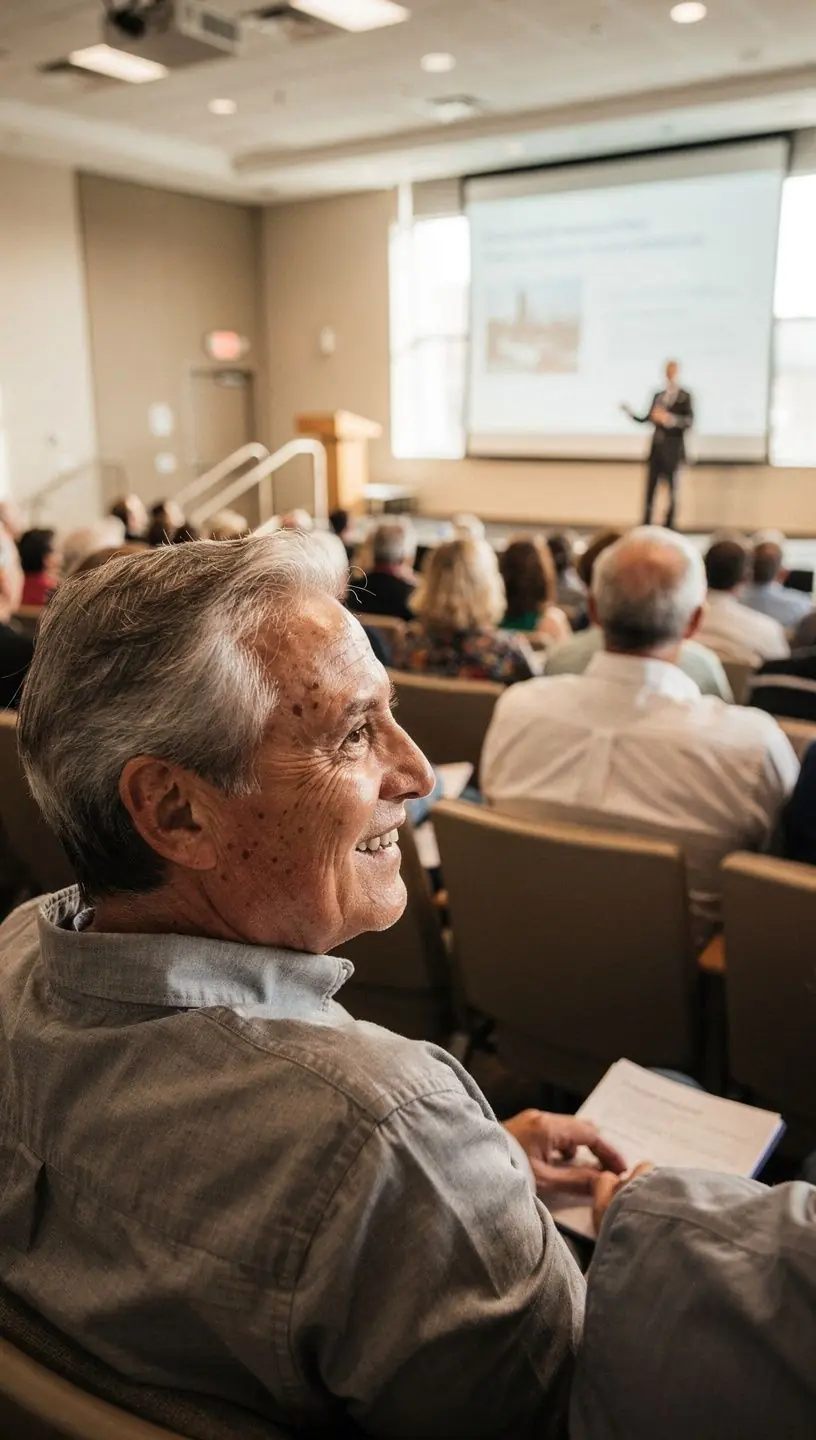
"Resilience is not just about bouncing back; it's about growing through challenges and becoming stronger." - Expert in Life Coaching
How Life Coaching Fosters Resilience
Life coaching typically employs various methodologies that facilitate personal growth and resilience. Here are some ways in which coaching can contribute:
- Personalized Strategies: Coaches often work with clients to develop individualized action plans that align with their personal goals and circumstances. This tailored approach can be instrumental in overcoming specific obstacles.
- Skill Development: Many coaching programs help individuals develop critical skills such as problem-solving, emotional regulation, and effective communication. These skills are essential for navigating life transitions successfully.
- Accountability and Support: Regular sessions with a coach provide accountability, encouraging clients to stay committed to their goals. This support can be a motivating factor in the journey toward resilience.
The Role of Social Dance Events in Building Community
Incorporating social dance events, such as bachata and salsa, into life coaching programs offers additional benefits. Research indicates that social activities can enhance emotional well-being by fostering a sense of belonging and community. Participating in group dance classes allows individuals to connect with others facing similar challenges, reducing feelings of isolation.
Furthermore, dancing can serve as a creative outlet that promotes physical and mental well-being. According to the American Journal of Dance Therapy, engaging in dance can lead to improved mood and decreased stress levels. Thus, integrating social dancing into life coaching can create a holistic approach to resilience-building.
Setting Realistic Expectations
While life coaching can be a valuable tool, it’s important to understand that developing resilience is a process that requires time and effort. Many clients may find that noticeable changes typically emerge after several weeks of consistent engagement—often around 2 to 4 months, depending on the individual's commitment and circumstances. It’s also crucial to acknowledge that not every method will suit every person; some may require additional support or different approaches to achieve their desired outcomes.
Conclusion
In summary, life coaching can effectively assist individuals in developing resilience through structured programs and supportive environments. By incorporating techniques tailored to personal goals and integrating social dance events, clients can build a robust support system that empowers them to navigate life transitions with confidence. Remember, the journey toward resilience is gradual and unique for each individual, making it essential to approach it with patience and an open mind.
Learn More