Understanding the Impact of Dance on Aging
As we age, maintaining both physical and mental well-being becomes increasingly vital. Engaging in social dance—such as bachata and salsa—can significantly enhance the quality of life for older adults. This article explores the various ways dance can positively impact the aging process, supported by research and expert insights.
The Connection Between Dance and Physical Health
Studies show that regular dance participation can lead to improved physical health among older adults. This is largely due to the combination of cardiovascular activity, muscle engagement, and balance improvement associated with dance. According to research published in the journal Frontiers in Aging Neuroscience, participating in dance can improve mobility and reduce fall risk, which is a significant concern for the elderly population.
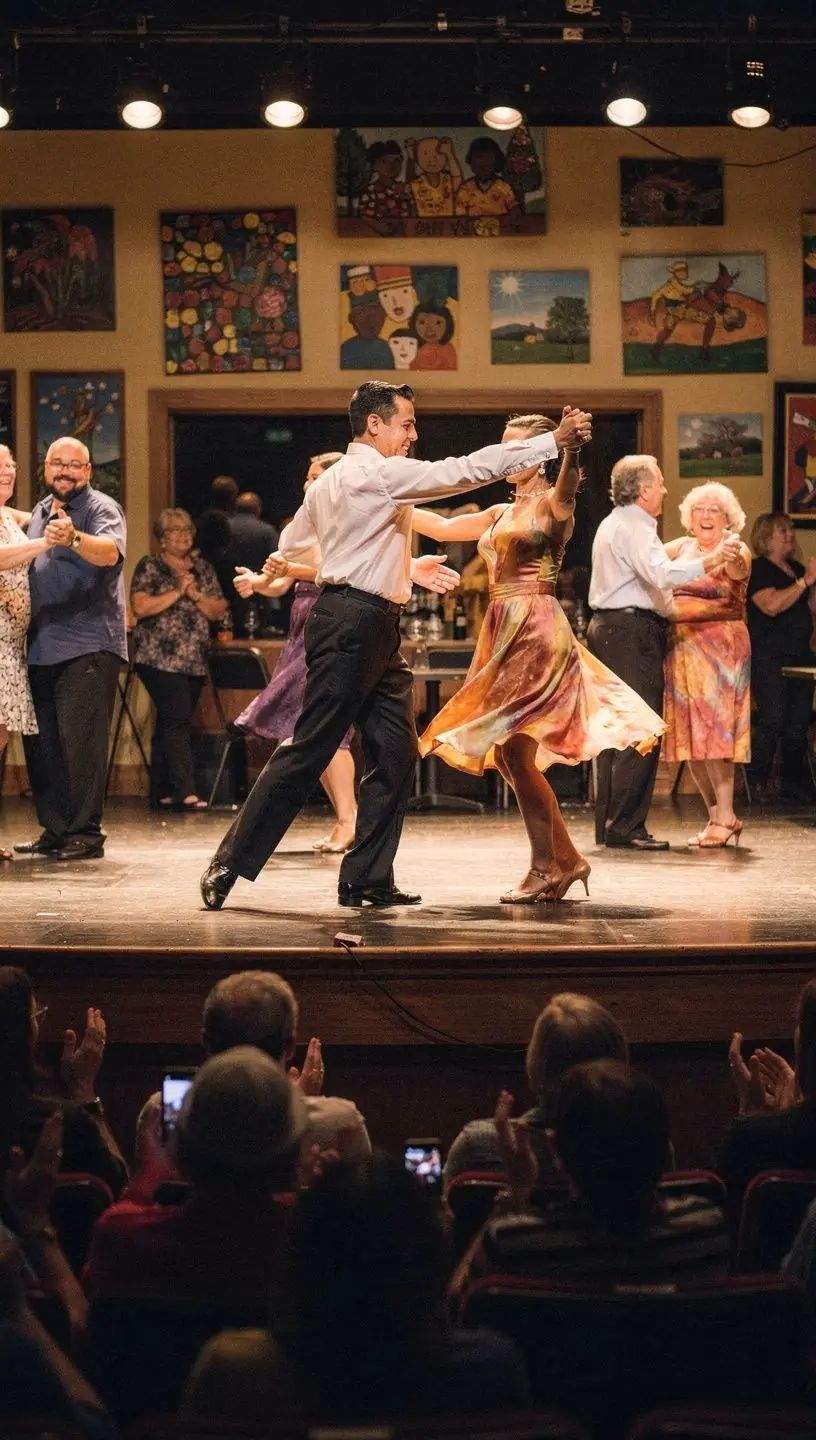
"Engaging in dance can significantly improve physical capabilities and overall health in older adults." - Health Expert
Enhancing Mental Well-being Through Dance
Dancing is not only a physical activity; it also offers substantial mental health benefits. Experts recommend dance for its ability to enhance cognitive functions and reduce symptoms of anxiety and depression. A study conducted by the University of California found that older adults who engaged in regular social dancing reported lower levels of loneliness and increased feelings of community connection.
The Neuroscience Behind It
The principle behind this lies in the brain's neuroplasticity, which refers to its ability to form new neural connections throughout life. Engaging in complex movements and learning new dance steps stimulates cognitive functions. This can help ward off cognitive decline. Many users report feeling more alert and engaged after participating in dance classes.
Social Benefits of Dance
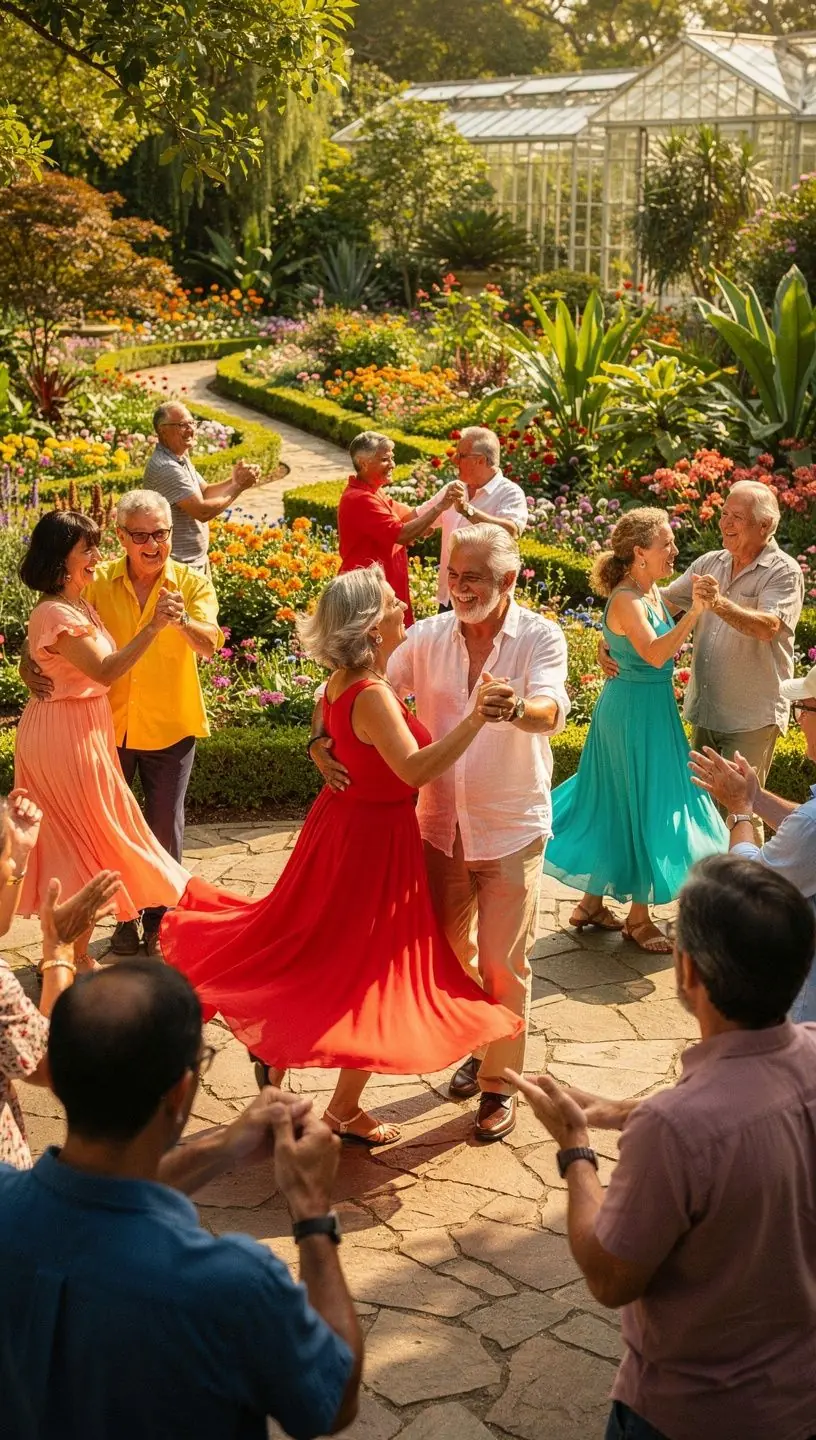
In addition to physical and mental health benefits, dance serves as a powerful social connector. Participating in social dance events creates opportunities for interaction and community building. According to research from the American Journal of Public Health, social interactions have been linked to improved longevity and quality of life for older adults.
- Fostering Relationships: Dance classes and events typically encourage teamwork and communication, which can lead to friendships.
- Community Engagement: Regular participation in dance events can create a sense of belonging and purpose.
- Emotional Connection: Dancing with others fosters joy and a sense of shared experience, crucial for emotional well-being.
Choosing the Right Dance Program
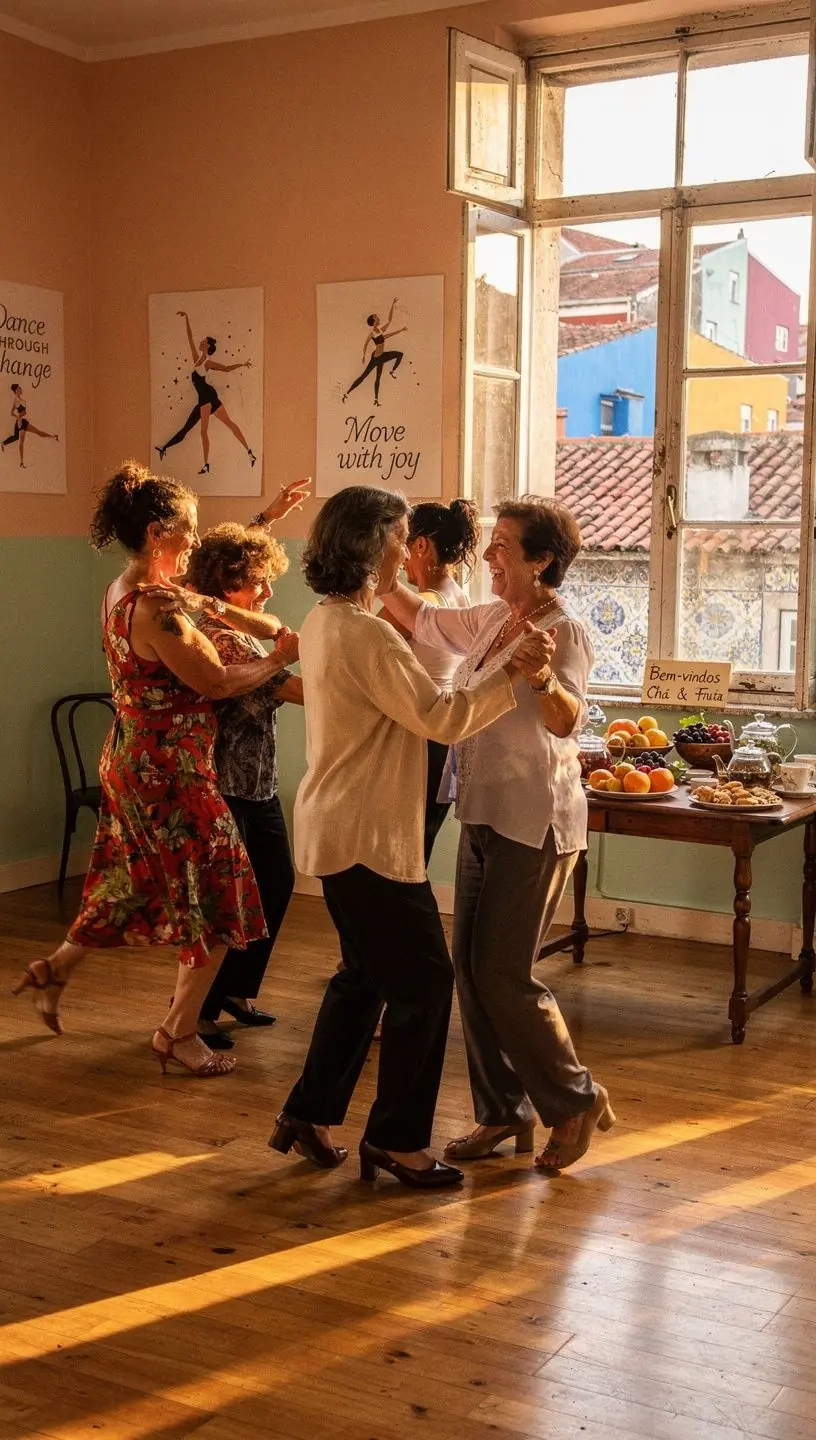
When selecting a dance program, it's important to consider factors such as personal interests, mobility, and available options. Many coaching centers offer programs specifically designed for older adults, combining structured learning with social dance events. It's advisable to look for programs that:
- Provide tailored instruction based on individual capabilities.
- Include social interaction elements to enhance the experience.
- Encourage gradual progression to ensure safety and enjoyment.
Conclusion
Dancing can be a multifaceted approach to improving the quality of life for older adults. By supporting physical health, enhancing mental well-being, and fostering social connections, dance can play a significant role in healthy aging. As you consider your options, remember that the benefits of dance are most pronounced when participation is regular and aligned with personal interests and capabilities. Embrace the joy of movement, and explore the dance programs available in your area to discover the positive impact they can have on your life.
Learn More