The Role of Movement in Personal Empowerment
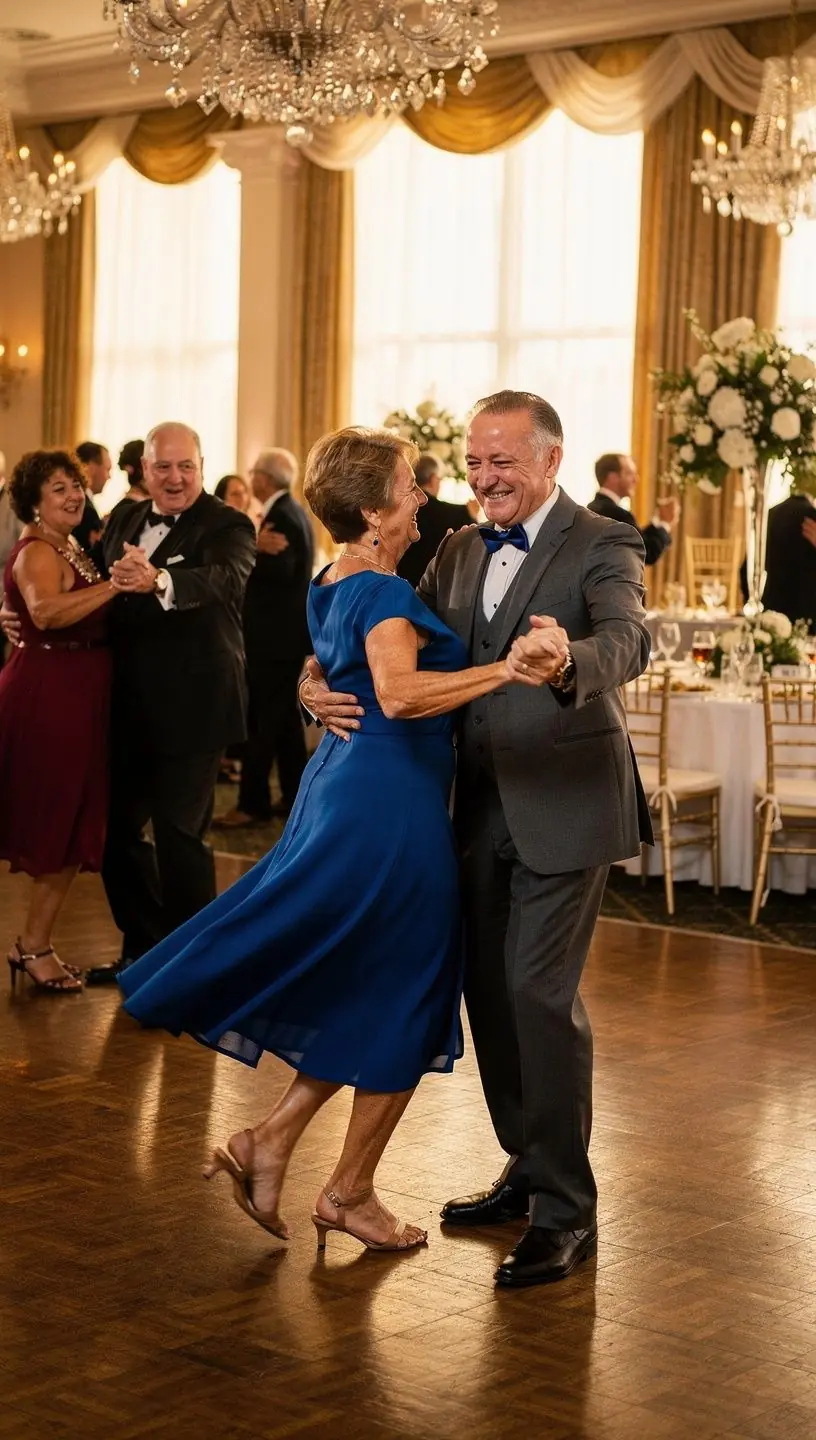
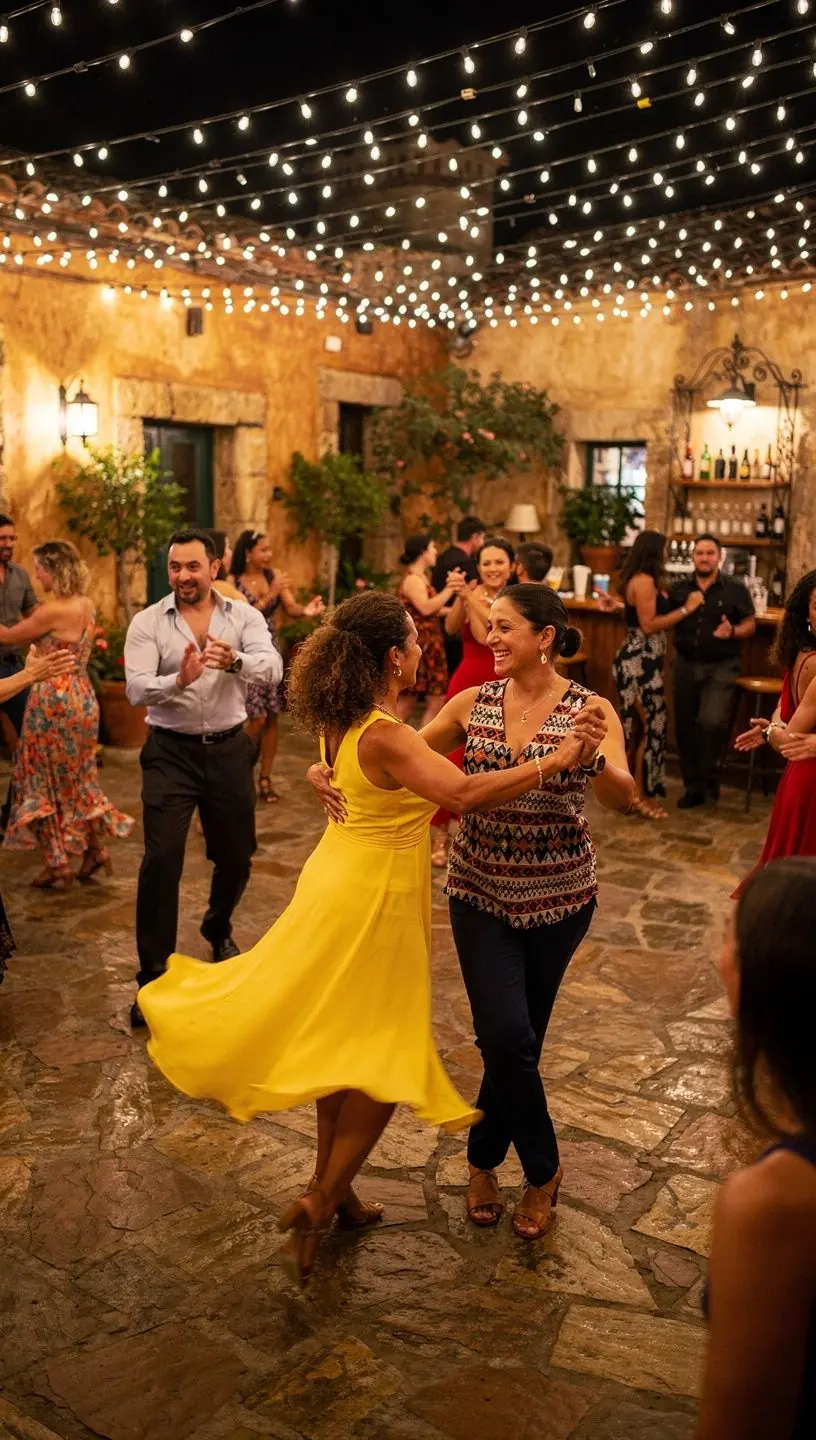
Movement, particularly through social dance forms like bachata and salsa, can play a significant role in personal empowerment. Engaging in structured programs that incorporate movement can help individuals navigate life transitions while fostering a sense of community.
Understanding the Basics of Movement and Empowerment
Research indicates that physical activity, including structured dance programs, can enhance emotional well-being and self-esteem. According to a study published in the Journal of Positive Psychology, regular participation in dance can lead to increased feelings of confidence and reduced anxiety levels.

"Movement is not just a physical activity; it’s a bridge to emotional and mental empowerment." - Movement Psychology Expert
How Movement Facilitates Personal Growth
Movement can facilitate personal growth in several ways:
- Physical Expression: Dance allows individuals to express their emotions non-verbally, which can be particularly effective for those who might struggle to communicate feelings verbally.
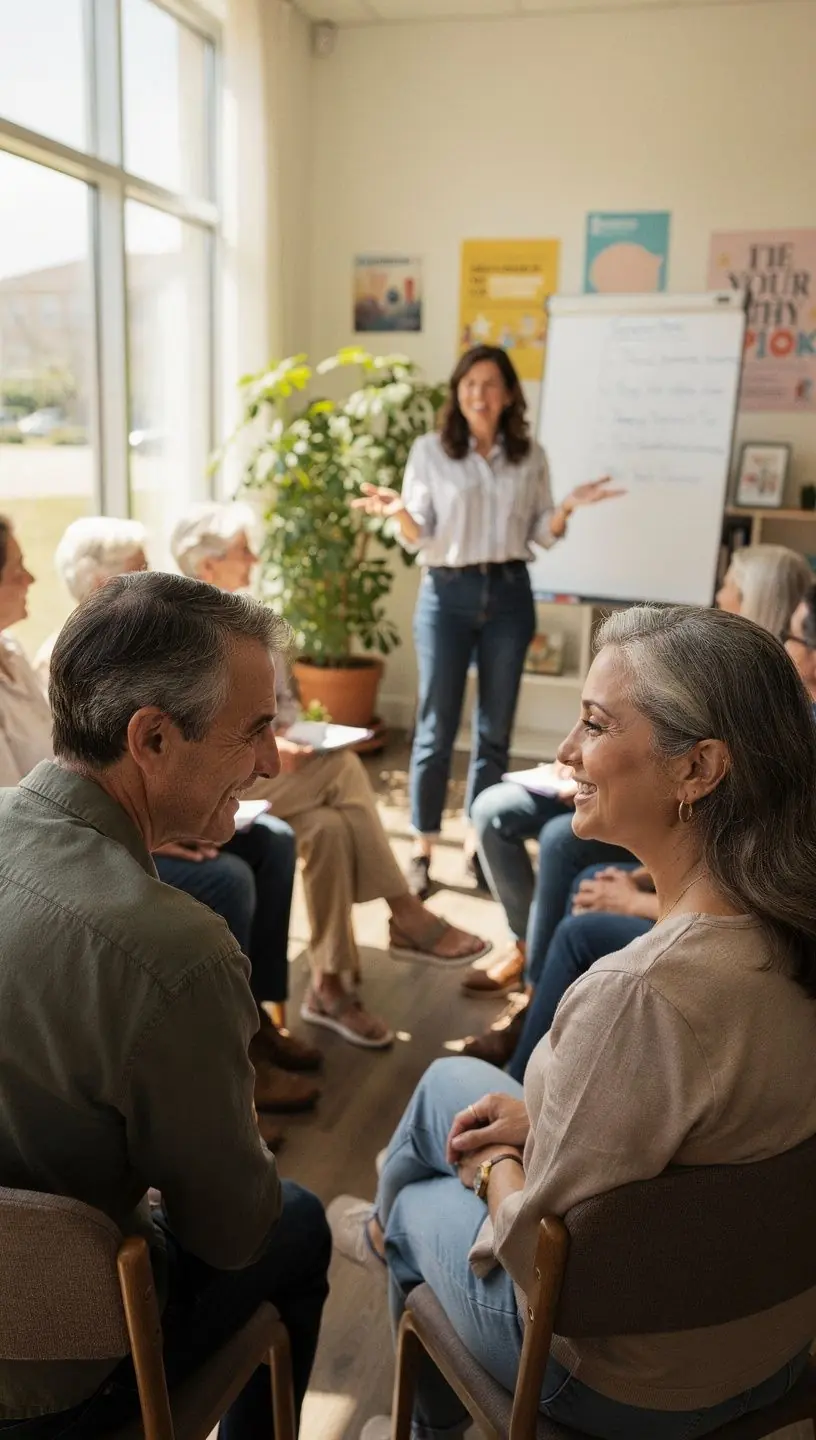
- Building Community: Social dancing often involves group participation, fostering connections with others. This social component can provide a support network during significant life transitions, which studies show can improve overall well-being.
- Mind-Body Connection: Engaging in dance promotes mindfulness by encouraging individuals to focus on their movements. Experts recommend that this focus can lead to greater self-awareness and mental clarity.
Investing Time in Dance Programs
While the benefits of movement are clear, it’s important to acknowledge that gaining empowerment through dance typically requires a commitment of time and effort. In most cases, participants may find that:
- Regular attendance (1-2 sessions per week) is necessary for noticeable improvements in confidence and social skills, with results generally manifesting within a few months.
- Dedication to learning dance techniques can involve a learning curve, particularly for beginners. However, many users report that persistence leads to enhanced enjoyment and mastery over time.
- Engagement in community events can optimize the benefits of dance, allowing participants to practice in a supportive environment that reinforces learning.
Practical Application: Getting Involved
To begin harnessing the power of movement for personal empowerment, consider the following steps:
- Find a Local Dance Center: Look for coaching centers offering structured programs in your area. Many centers provide beginner classes in bachata, salsa, and other social dance forms.
- Commit to a Schedule: Set aside specific times each week to attend classes and practice. Consistency is key in realizing personal growth through movement.
- Engage with the Community: Participate in social dance events to connect with others. This can enhance the experience and provide additional support during transitions.
Conclusion
In conclusion, incorporating movement into your life, particularly through social dance, can be a valuable tool for personal empowerment. By understanding the principles behind movement and committing to a structured program, individuals can foster emotional well-being, build community, and enhance self-awareness. While it requires time and dedication, the journey can lead to significant personal growth and transformation.
Learn More