Exploring Salsa as a Tool for Connection
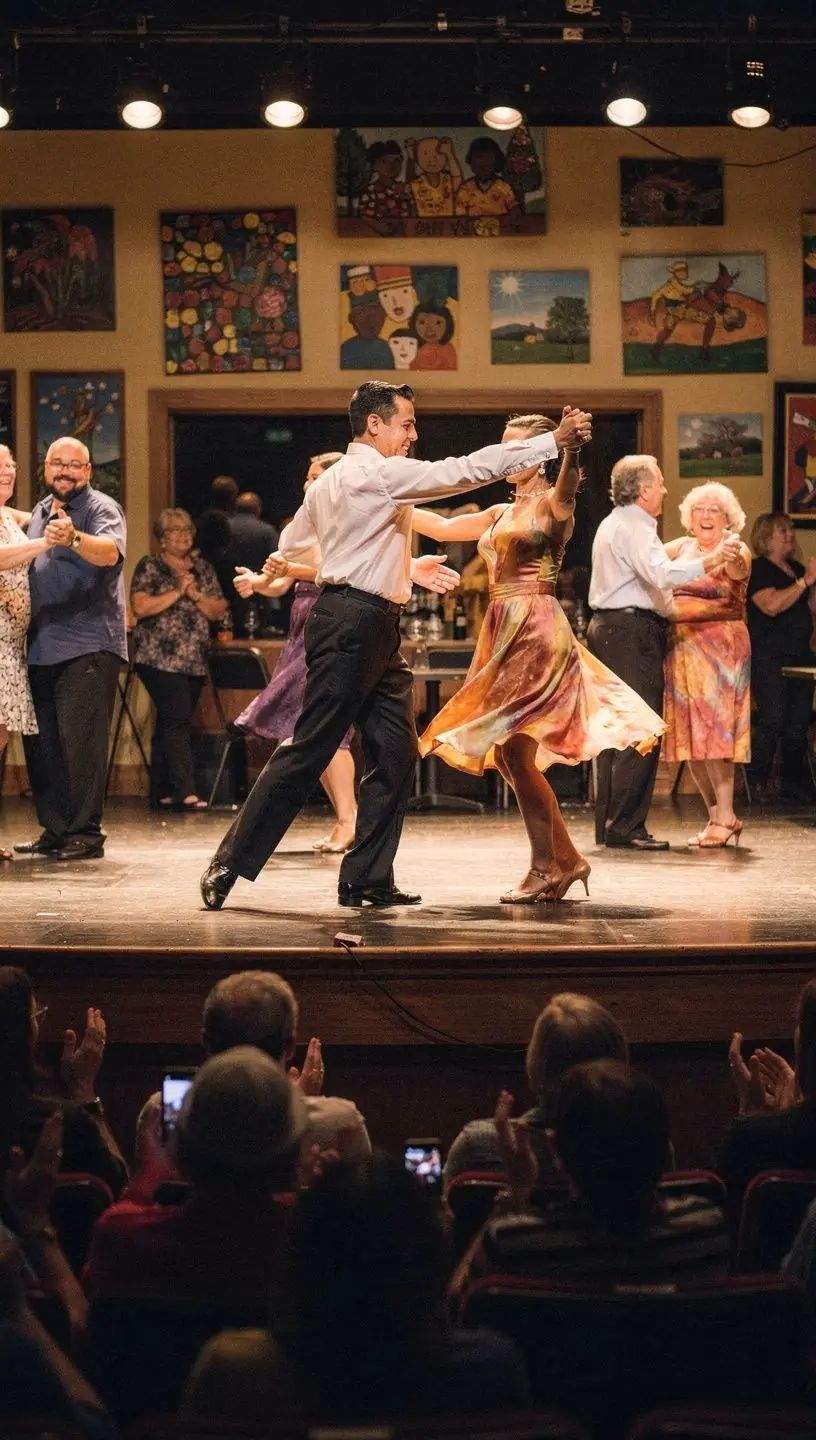
Salsa dancing is more than just a lively form of entertainment; it serves as a powerful medium for social connection and personal growth. This article explores how engaging in salsa can foster relationships and enhance emotional well-being, particularly in the context of life transitions.
Understanding the Benefits of Salsa Dancing
According to research, participating in social activities like dance can significantly improve mental health and social connections. Many users report that salsa dancing helps them bond with others and build a sense of community. This is likely because salsa requires partners to interact closely, which can lead to deeper emotional connections.

The Science Behind Connection
Studies show that physical touch and close interactions can release oxytocin, often referred to as the "bonding hormone." This physiological response is crucial for establishing trust and connection. As individuals engage in salsa dancing, they typically experience increased levels of oxytocin, which fosters a sense of belonging and intimacy with their dance partners.
"Dancing promotes emotional expression and can significantly enhance interpersonal connections." - Dance Psychologist
Practical Application of Salsa in Life Transitions
For those navigating life changes, such as moving to a new city or transitioning careers, salsa dancing offers a structured way to meet new people and make friends. Here are some practical insights on how to incorporate salsa into your life during these transitions:
- Join a local salsa class: Many community centers offer beginner classes, which typically last 4-6 weeks. This provides a consistent environment to learn and grow with others.
- Attend social dance events: Look for local salsa nights where dancers gather. These events are often designed for social interaction, making it easier to connect with new people.
- Involve friends or family: Invite someone you know to join you for salsa classes. This can make the experience less intimidating and more enjoyable, enhancing your connection with them as well.
Setting Realistic Expectations
It’s important to acknowledge that learning salsa, like any new skill, involves a learning curve. Typically, it may take a few weeks to feel comfortable on the dance floor, so patience and practice are essential. Engaging in salsa dancing requires dedication, particularly for those unfamiliar with dance. However, many find that the rewards—social connections and improved mood—are well worth the effort.
Conclusion
Salsa dancing can be a valuable tool for connection, particularly during times of transition. While it may not be a cure-all for social isolation or emotional challenges, many find it to be an effective way to foster relationships and enhance their sense of community. By participating in structured classes and integrating social dance events into their lives, individuals can build meaningful connections that support their personal growth.